Emotional Clutter vs. Physical Clutter: What Your Home Is Really Holding
- The Impact Journal / On Jan 05, 2026
- Category: Your story, our platform
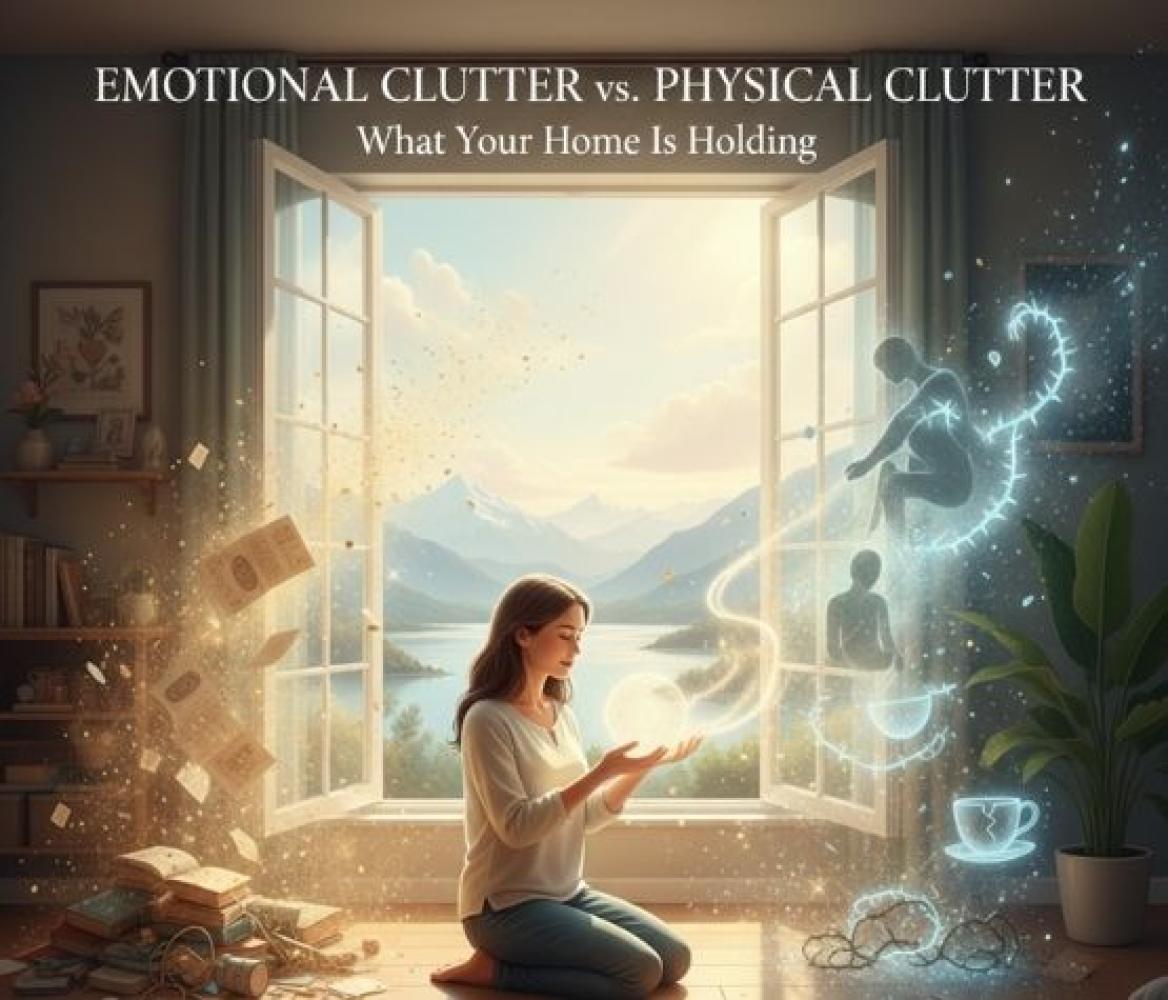
We’ve all heard the phrase “A tidy home, a tidy mind.” And yes, there’s a real sense of calm that comes from clearing a messy space — fewer distractions, more breathing room, a feeling of control.
But what if the clutter you can see is only part of the story?
What if your home is also holding something quieter, heavier, and often unnoticed — emotional clutter?
Understanding the difference between physical and emotional clutter, and how closely they are connected, can change the way your home — and your inner world — feels.
What Is Physical Clutter?
Physical clutter is easy to spot. It’s the overflowing drawer, the stack of clothes waiting to be folded, the items kept because “they might be useful someday.” These things take up space, create visual noise, and constantly remind the brain of unfinished tasks.
How it affects you:
It drains mental energy and reduces focus.
It can increase stress and anxiety.
It creates a feeling of stagnation, making even small actions feel harder.
Decluttering physical items often brings quick relief — but sometimes, the calm doesn’t last.
What Is Emotional Clutter?
Emotional clutter is less visible, but far more persistent. It includes unresolved emotions — guilt, grief, obligation, fear, or unspoken expectations — that quietly attach themselves to objects and spaces in your home.
It may look like:
- gifts you keep out of guilt
- hobby items from dreams you’ve outgrown
- reminders of past relationships
- unfinished work that fills you with dread
- belongings tied to unprocessed loss
Your home doesn’t just store things.
It stores memories, meanings, and emotions.
When Physical and Emotional Clutter Overlap
This is where the two often merge. A pile of papers may carry anxiety about responsibility. An inherited object may hold grief or expectation. Over time, physical clutter can become emotional, and emotional overload can create more physical mess.
Our homes are not neutral spaces.
They quietly reflect what we’re holding inside.
Clearing Both — Gently and Honestly
Clearing emotional clutter isn’t about being ruthless. It’s about being aware.
- Pause and notice what an item makes you feel.
- Ask whether you’re holding it out of fear, guilt, or habit.
- Allow yourself to sit with the emotion before deciding what to do.
- Create small, clear spaces that help your nervous system relax.
Let go of the “shoulds.” Your home doesn’t need to impress anyone — it needs to support you.
A Truth to Sit With
When you clear both physical and emotional clutter, you’re not just creating a tidier home.
You’re making room for clarity, calm, and emotional safety.
Take a look around your space right now.
Is there one object that feels emotionally heavy, even if it’s small?
What story might it be holding?