The Glass House: What’s Actually Going On Inside the Teenage Mind
- The Impact Journal / On Feb 09, 2026
- Category: Your story, our platform
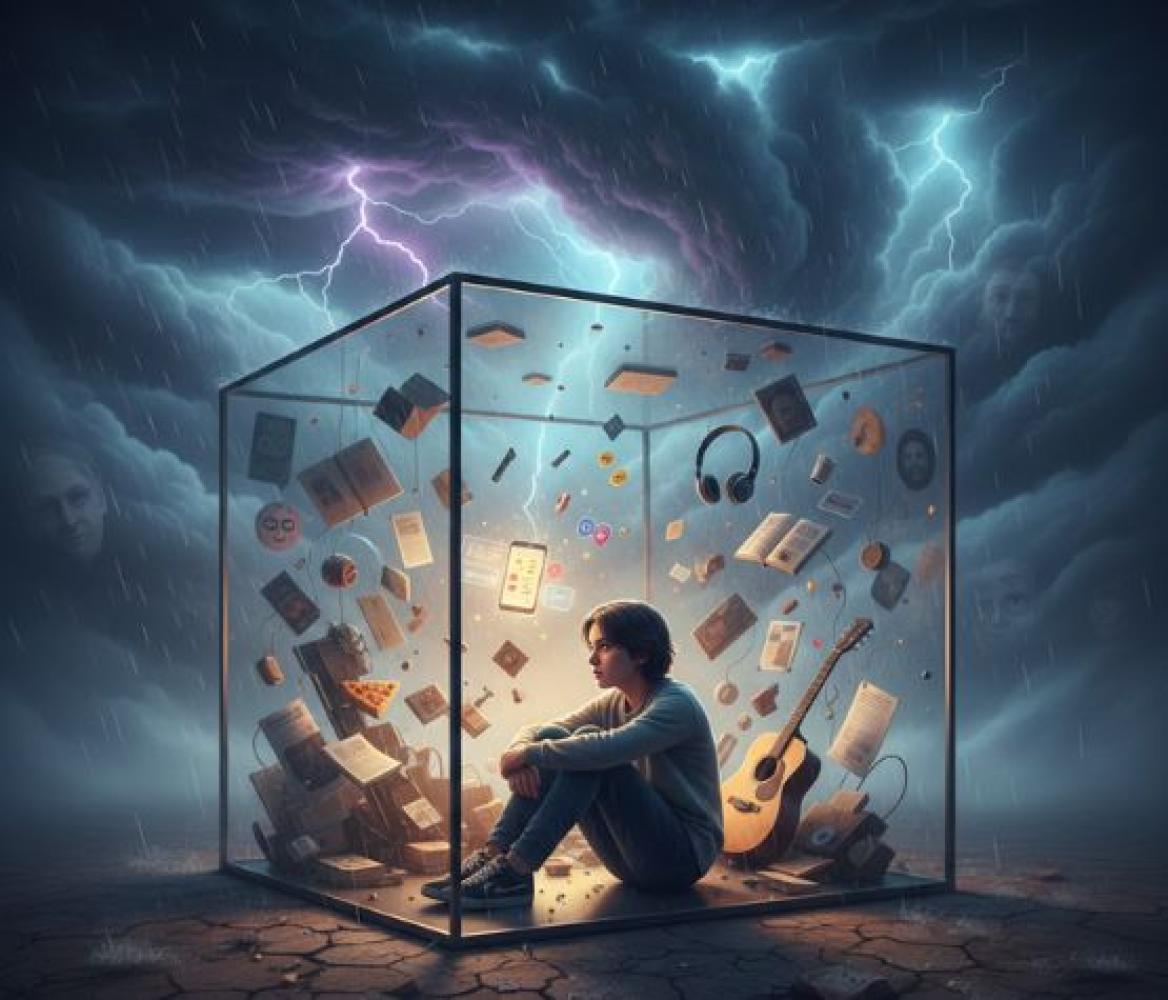
There is a common myth that being a teenager is a "waiting room" for real life. People look at them and see a collection of mood swings, unfinished homework, and glowing phone screens. But if you look closer, it’s not a waiting room—it’s a glass house in the middle of a storm.
Being a teenager today feels like living in high-definition. Everything is louder, sharper, and heavier than it’s ever going to be again. Here is a glimpse into what they’re actually thinking, and what they’re quietly hoping you’ll notice.
The Emotional High-Wire Act
For a teenager, life is lived in the extreme. Their brains are wired to feel the "firsts" of everything with an intensity that adults have long forgotten. A first heartbreak, a first betrayal, or even a first major failure doesn't just feel bad—it feels like an existential threat.
They think in the absolute present. They don't have the luxury of perspective yet, so they expect the adults in their lives to acknowledge their pain without patronizing it. When a parent says, "You’ll get over it," the teenager hears, "Your feelings aren't valid." What they are actually thinking is: I need you to sit in this fire with me for a moment before you try to put it out.
The Sanctuary of the Closed Door
The bedroom door of a teenager is more than just wood and hinges; it is a boundary of the soul. They spend their days being measured, graded, and judged by the outside world. They are constantly performing to meet the expectations of teachers, peers, and society.
When they retreat and shut that door, they are finally exhaling. They are thinking about who they are when no one is watching. They expect their parents to understand that this distance isn't a lack of love—it’s a necessity for growth. They are trying to build a self, and that is a job they have to do, at least partially, in private.
The Weight of Silent Expectations
Behind the "I don't care" attitude is a person who cares almost too much. Teenagers are hyper-aware of the world they are inheriting. They see the stress in their parents' eyes and the chaos in the news, and they often feel a crushing pressure to fix it all or find their place in it instantly.
They expect a safe harbor. They are looking for a relationship where they don't have to be "the high achiever" or "the athlete" or "the perfect child." They are thinking:
- Do you still love me when I’m failing?
- Do you still see me when I’m invisible to everyone else?
The Paradox of Independence
The greatest irony of the teenage years is that they push the hardest against the people they rely on the most. This isn't a sign of hatred; it’s a sign of safety. They only "rebel" against parents because they know, deep down, that the parent is the only person who won't leave when things get ugly.
They expect you to be the anchor. Even as they pull away to test their own strength, they are constantly checking to make sure the rope is still tied. They need to know that while their world is changing, your presence is the one thing that remains unshakable.
The Final Truth
They aren't looking for a hero or a lecturer. They are looking for a witness. They want to be seen for the messy, contradictory, brilliant, and terrified people they are in this very moment. To love a teenager is to respect the person they are becoming, even when that person is still under construction.